
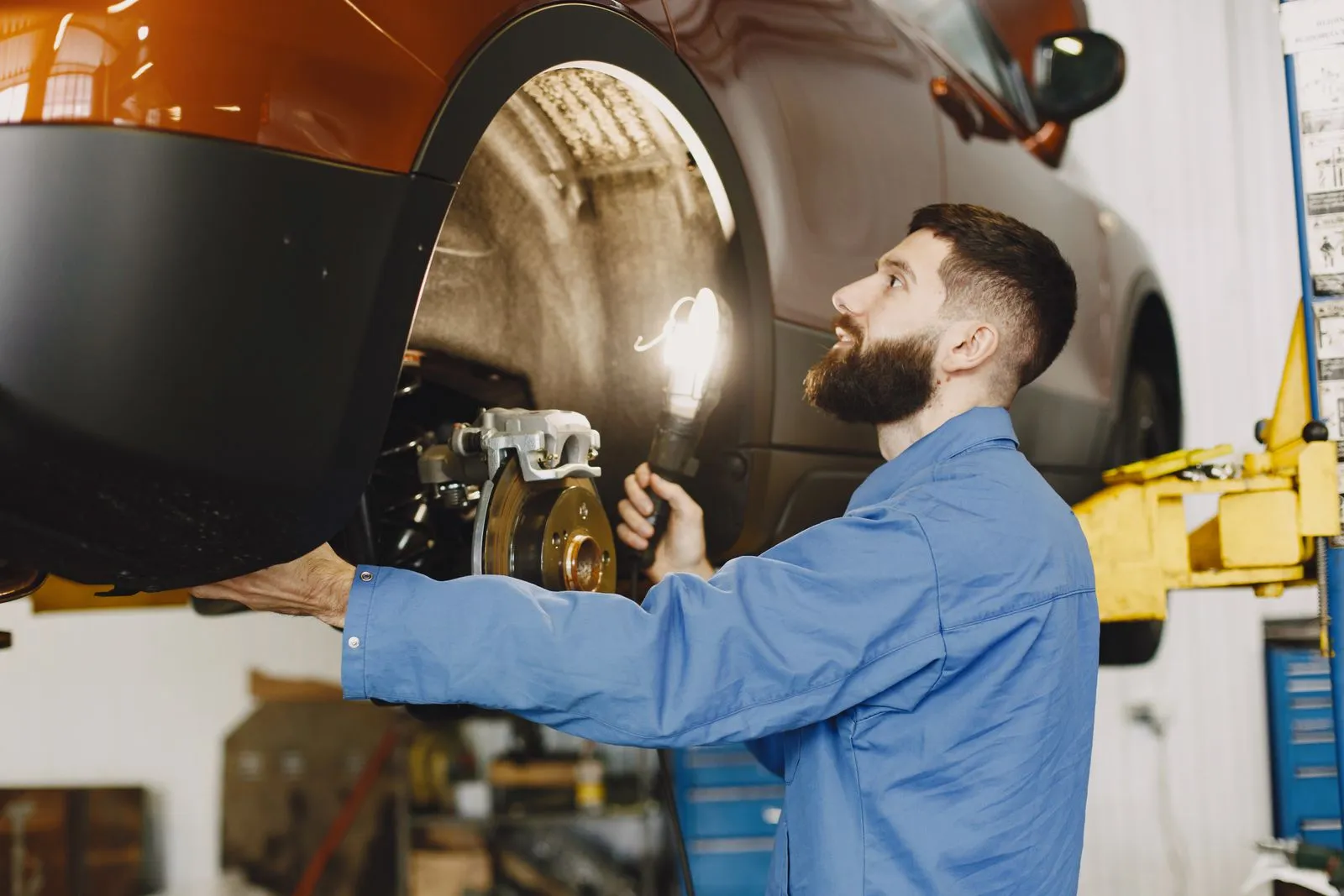
A used car can look polished on the lot while its most important details stay out of sight. Asking focused questions helps you understand how it was maintained, how many people have owned it, and whether it has unresolved issues. Get answers before you take a test drive or discuss price, and ask for records to support important claims. A seller’s response—and willingness to document it—can help you decide what to check next.
Ask About Maintenance
Start with: “What maintenance has been done, and when?” Ask about oil changes, scheduled services, tires, brakes, battery, and any major repairs. Follow up on work the manufacturer recommends at the car’s current mileage. Specific dates, mileage, and repair details are more useful than a general assurance that the car was “well maintained.”
Request service receipts, maintenance records, or access to a digital service history. Ask whether the seller knows of overdue maintenance or repairs that are needed now. If records are missing, that does not automatically mean the car is a poor choice, but you should treat its maintenance history as uncertain and have its condition checked.
Understand Ownership
Ask how long the seller has owned the car and how it was used. Was it mainly driven locally, on highways, or for work? How many previous owners are known? These answers provide context, but they are not proof of condition; frequent short trips, heavy use, or long periods parked can each affect a vehicle differently.
Confirm that the person selling the car is authorized to do so and that the title information matches the vehicle and seller. Ask whether there is a loan or lien that must be cleared before the title can transfer. Before paying, verify the title and sale process using your state’s current requirements.
Ask About Warning Lights
Ask directly: “Are any dashboard warning lights on now, or have any appeared recently?” Follow up about check-engine, airbag, brake, battery, and tire-pressure warnings, as well as messages that come and go. Ask whether the car has been diagnosed or repaired for an illuminated light and request any related paperwork.
Watch the dashboard when the car starts and during the drive. A warning that is off today does not establish that the underlying issue is fixed. Ask whether anyone recently disconnected the battery or cleared diagnostic codes, since that can make some problems less apparent for a time. Have a qualified mechanic inspect the car before purchase.
Check the Vehicle’s History
Ask whether the car has been in a collision, flooded, stolen, or declared a total loss, and whether it has had body or structural repairs. Ask about recurring problems, warranty claims, and any manufacturer recalls the seller knows about. Request the vehicle identification number, or VIN, so you can review available history information and check for open recalls through appropriate sources.
A history report can be helpful, but it may not include every repair or event. Compare its details with the title, service records, and the car itself. If answers are vague, documents conflict, or the seller will not allow an independent inspection, pause rather than rushing into a decision. A pre-purchase inspection can uncover concerns that paperwork and a test drive miss.
Good questions make it easier to separate a reassuring sales pitch from useful, verifiable information. Write down the answers, compare them with the records, and arrange an independent inspection before you buy. Lot Look Mobile can help Little Rock shoppers assess a vehicle on site; contact the business to ask about scheduling.